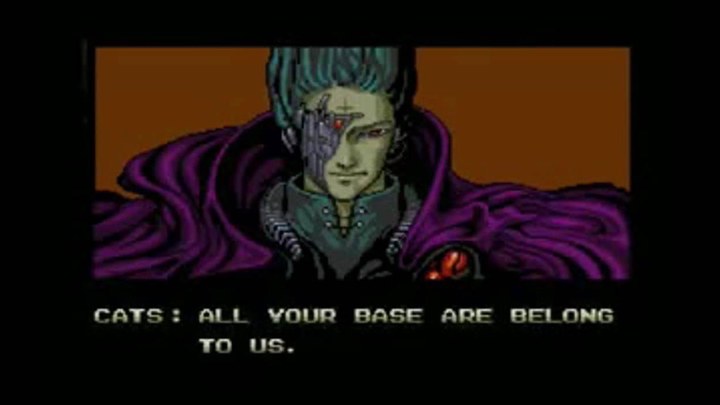
All Your Base Are Belong to Us
A mistranslated game villain’s announcement became a slogan that people inserted into pictures, songs and everyday scenes.
A mistranslated game villain’s announcement became a slogan that people inserted into pictures, songs and everyday scenes.
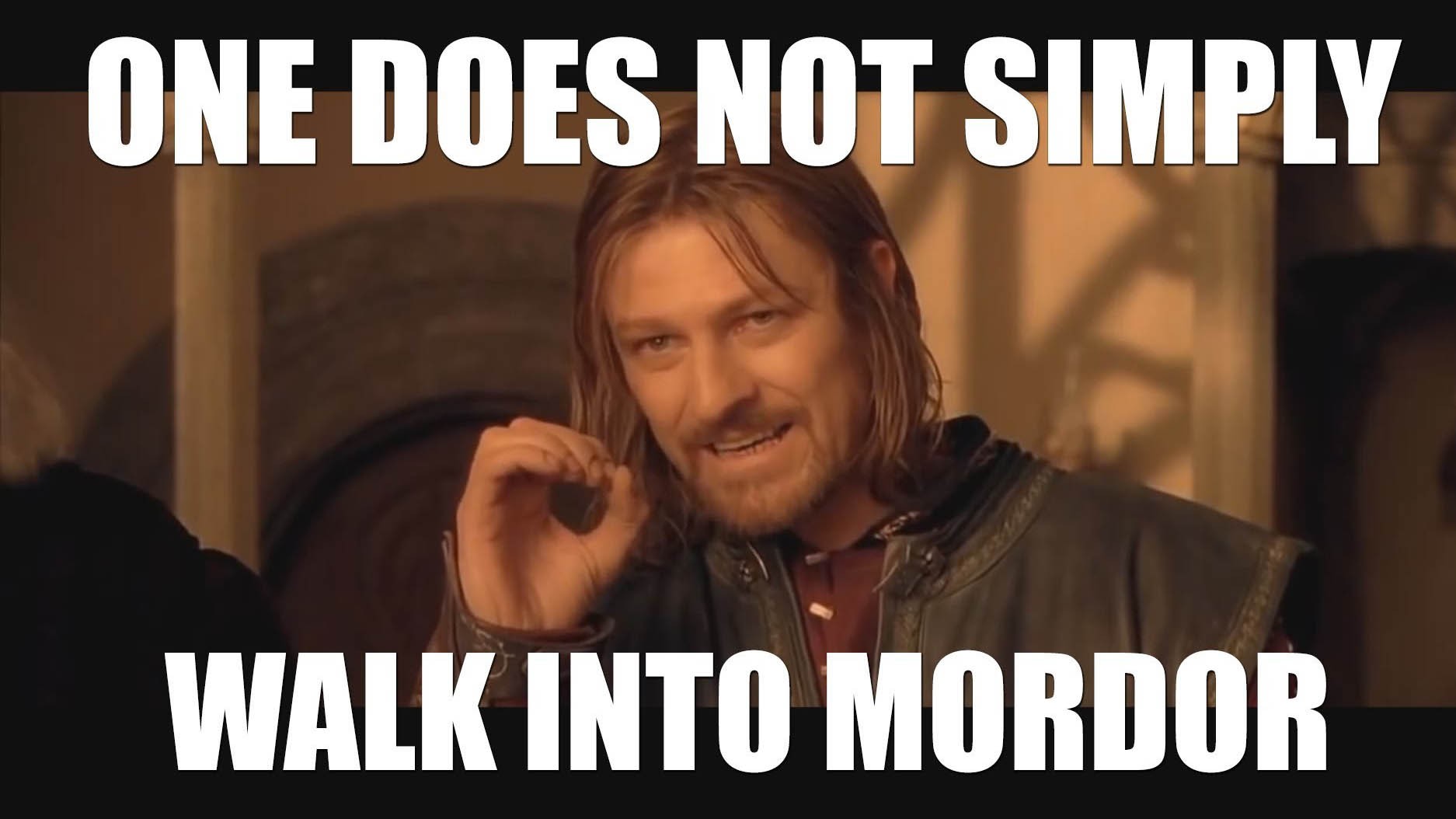
Boromir’s grave warning becomes a reusable sentence for tasks that are much harder than they sound: one does not simply do the thing.
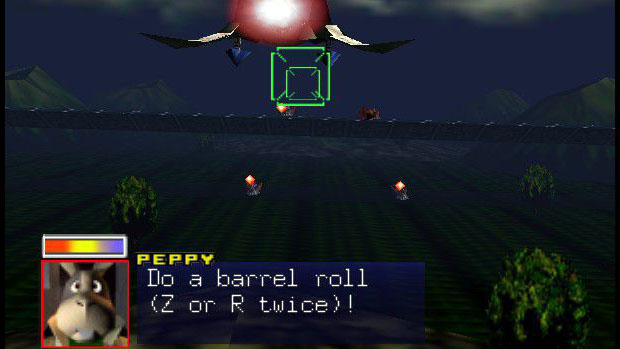
A spacecraft’s defensive maneuver becomes an absurd all-purpose instruction, attached to spinning animals, tumbling objects and unrelated conversations.
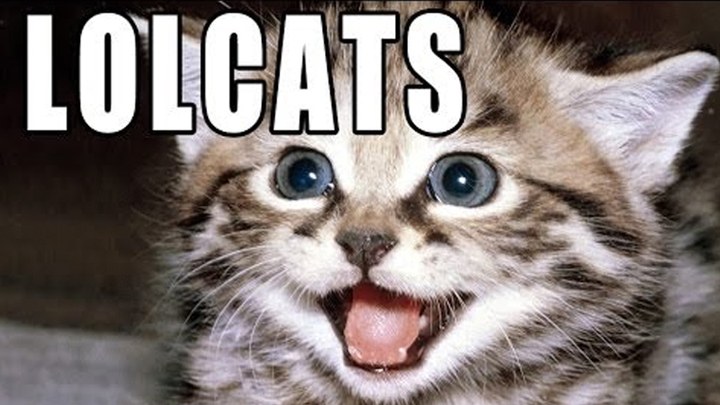
Cat photographs speak in deliberately broken English, making the captioned animal into a playful narrator.
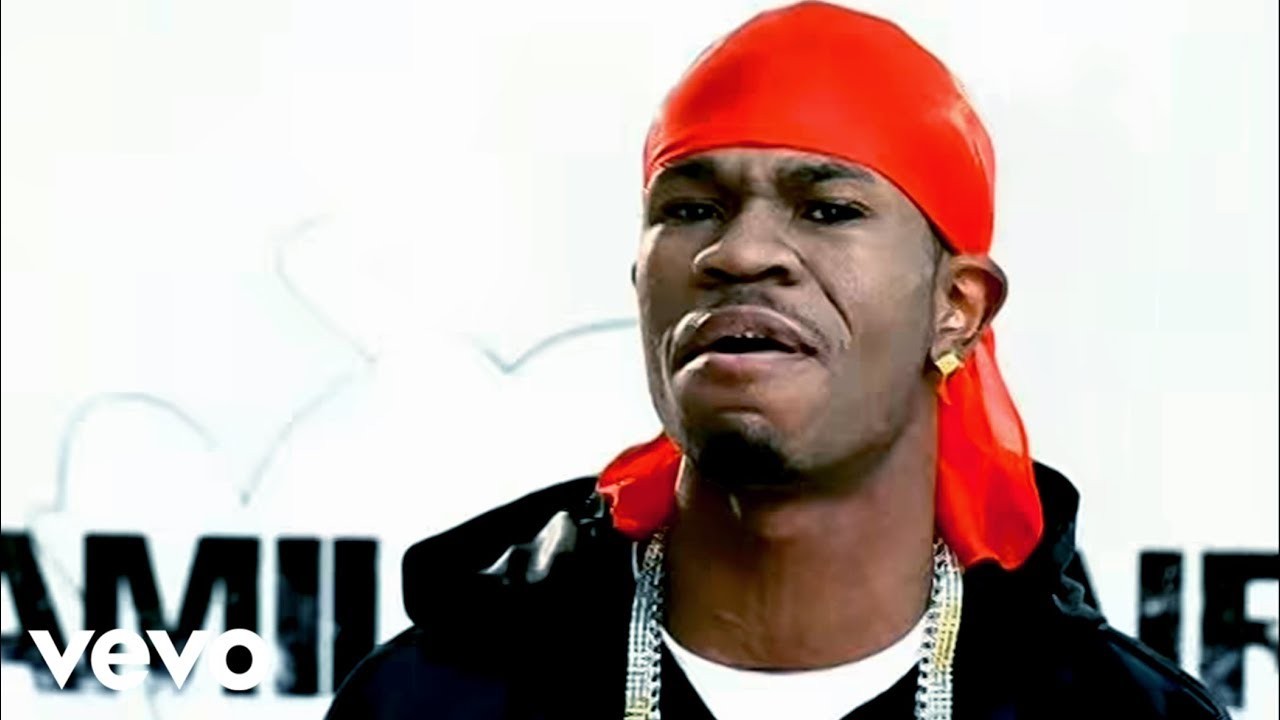
A boastful driving chorus becomes an incongruous caption for harmless riders, unlikely vehicles and slow-motion video edits.
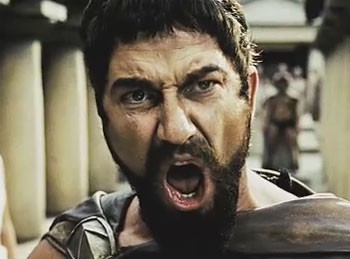
A film character’s emphatic answer became a portable punchline: swap the setting, exaggerate the shout, or recut it into a repeating remix.
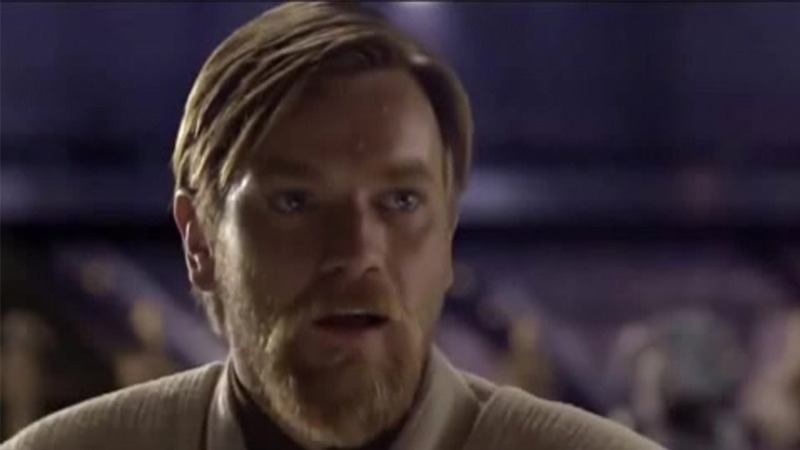
An ordinary greeting delivered by Obi-Wan becomes a theatrical entrance, a remix cue and a repeatable prequel-meme response.
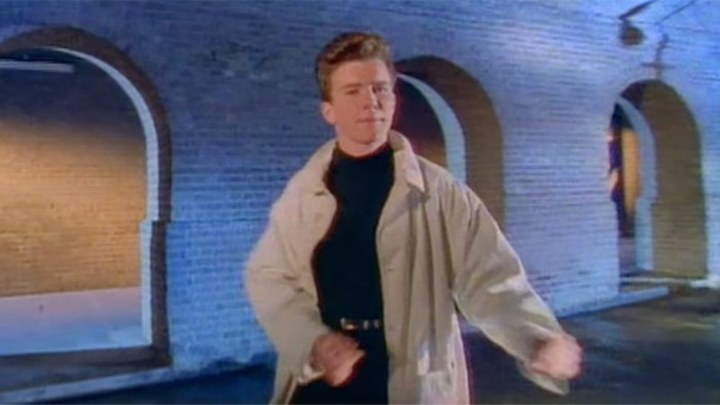
A link promises something relevant or exciting, then delivers Rick Astley singing “Never Gonna Give You Up.”
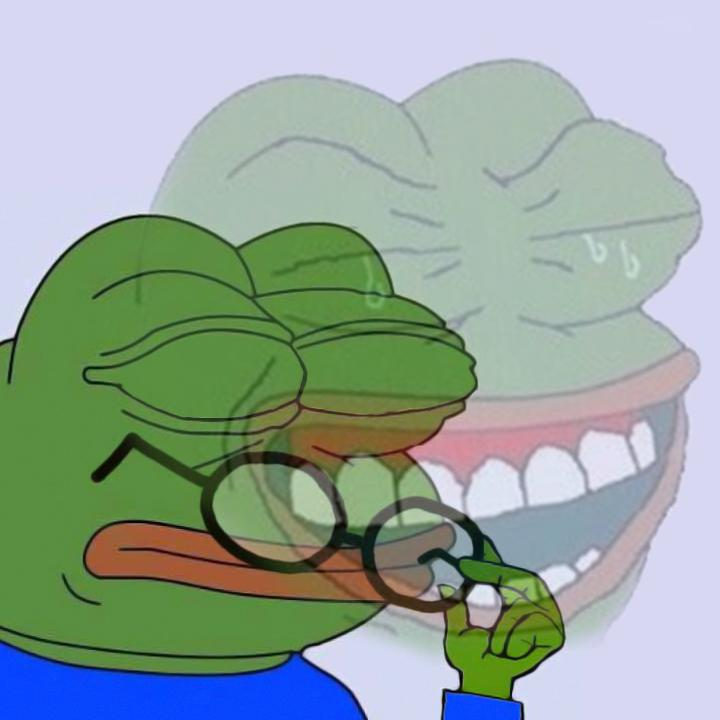
Matt Furie’s comic frog becomes a family of reaction faces and artworks.
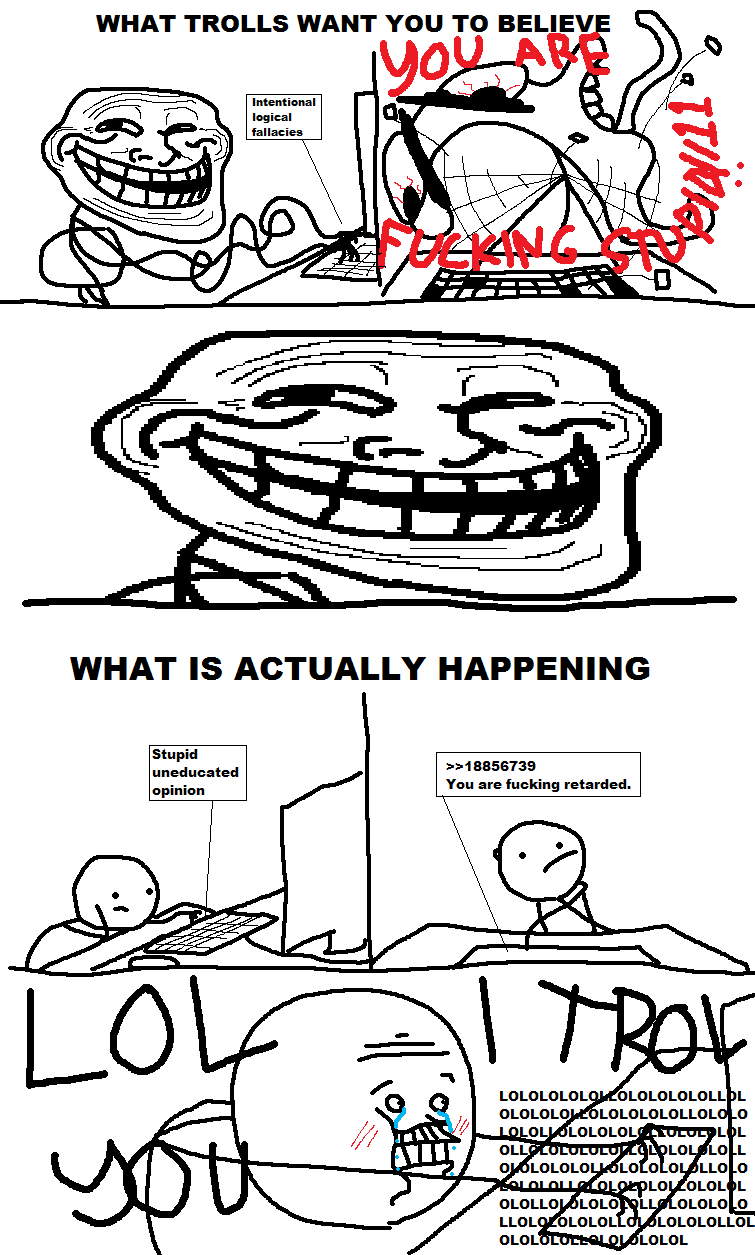
The mischievous rage-comic grin signals trolling and elaborate bait.
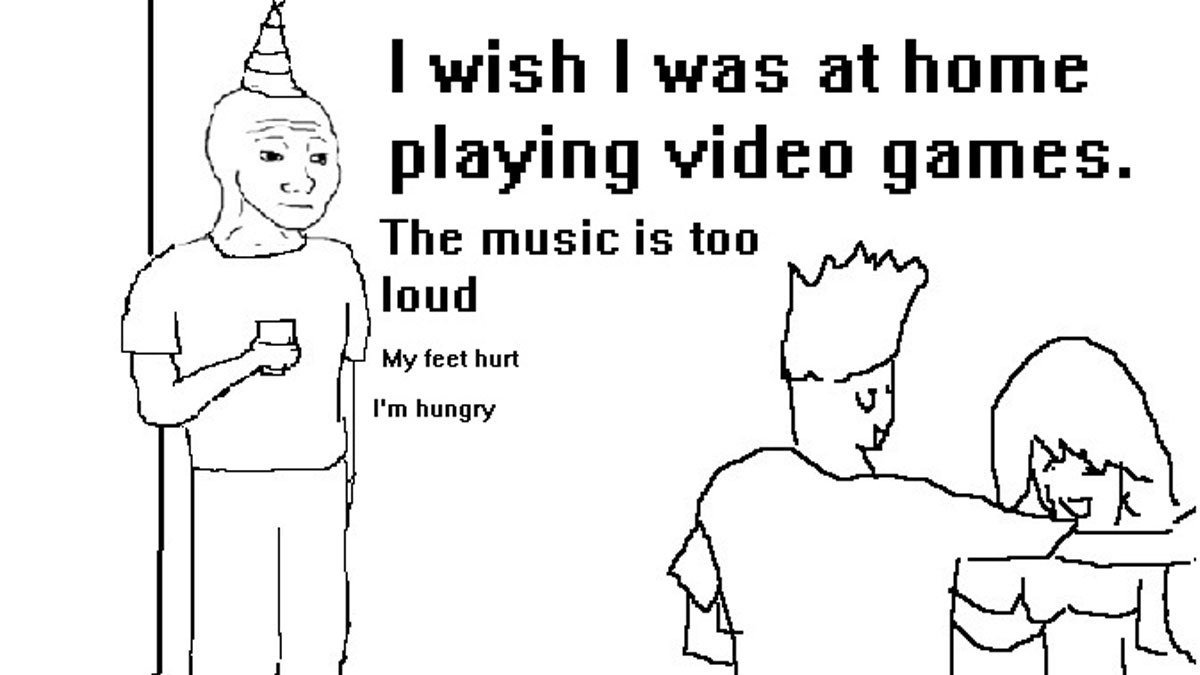
A lone partygoer wishes for the comfort of home while everyone else seems absorbed in the party, turning social discomfort into a reusable inner monologue.
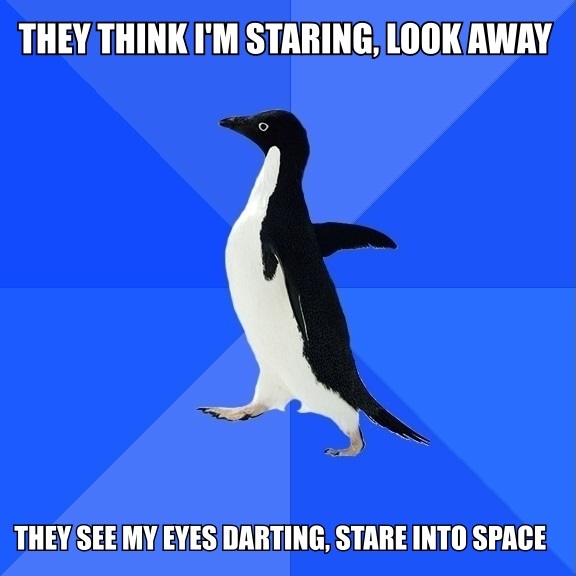
A blue-backed penguin narrates small social missteps.
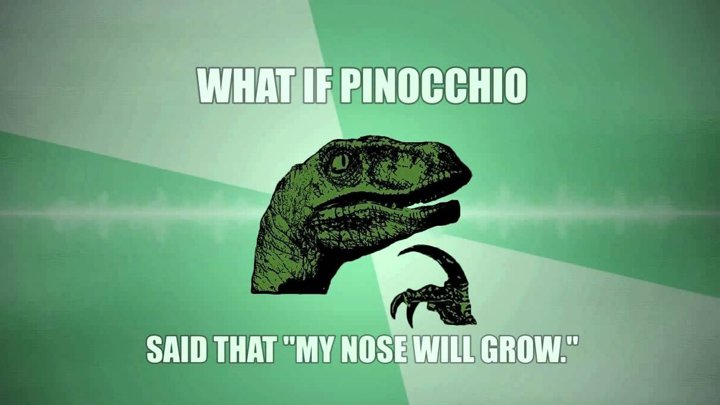
A pondering dinosaur turns everyday contradictions into mock-philosophical questions. The fixed illustration makes each new caption feel like another thought from the same character.
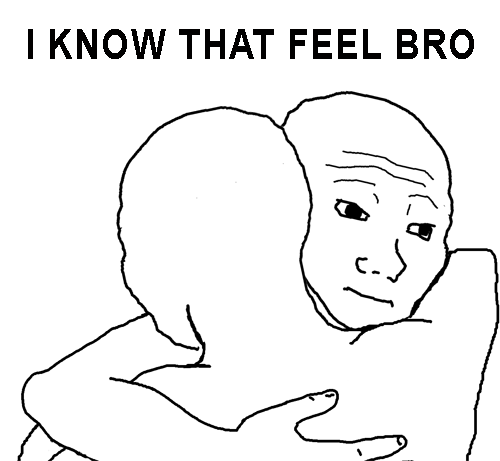
A simply drawn face expresses melancholy, empathy and countless later moods.
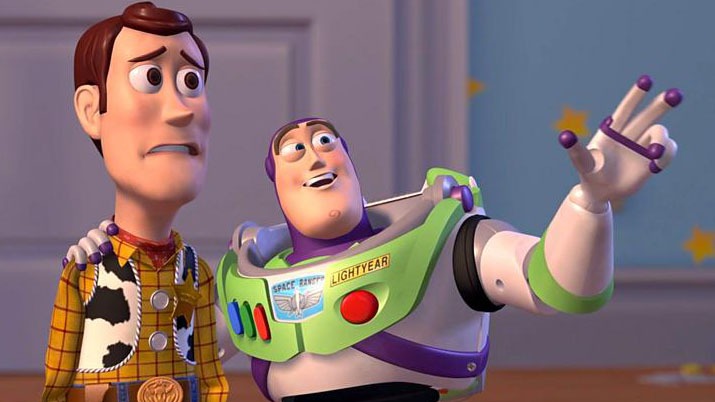
Buzz gestures across an imagined landscape while Woody looks on: repeat a noun, add “everywhere,” and turn abundance into a joke or complaint.
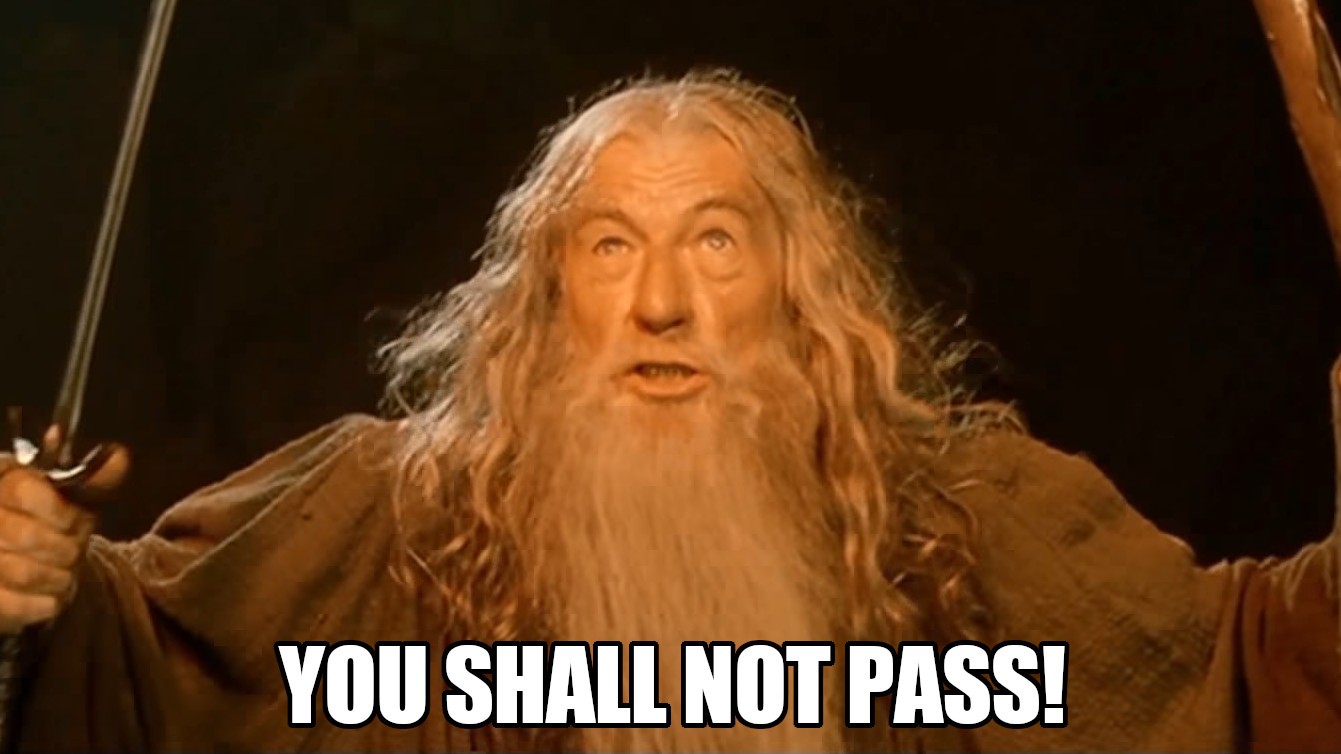
Gandalf’s defiant warning becomes a reusable joke about barriers, blocked routes and refusing entry.
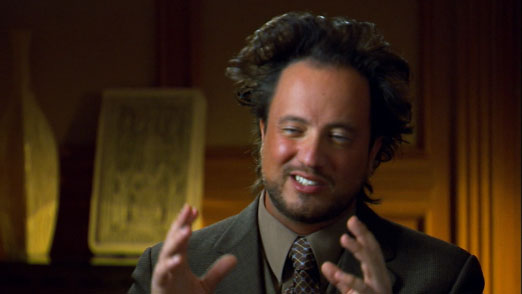
A television gesture becomes a reusable punch line: a complicated mystery receives the same implausibly simple answer, aliens.
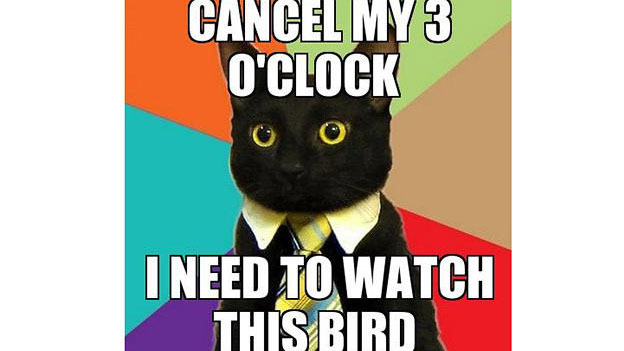
A tie-wearing cat acts like an office boss, until the caption turns an ordinary management request into unmistakably feline behavior.
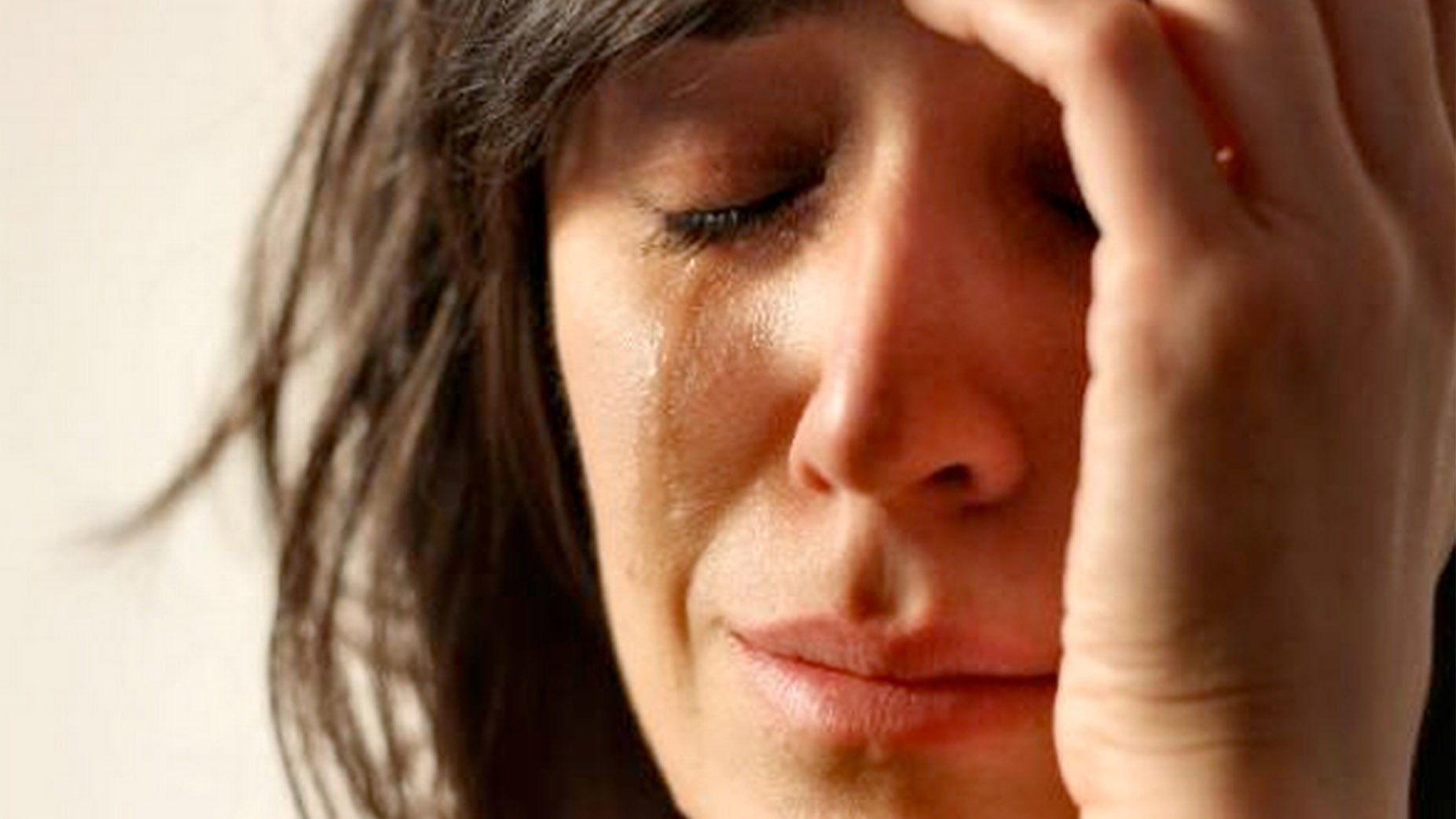
An exaggerated expression of distress turns a small everyday inconvenience into a self-aware complaint about privilege.
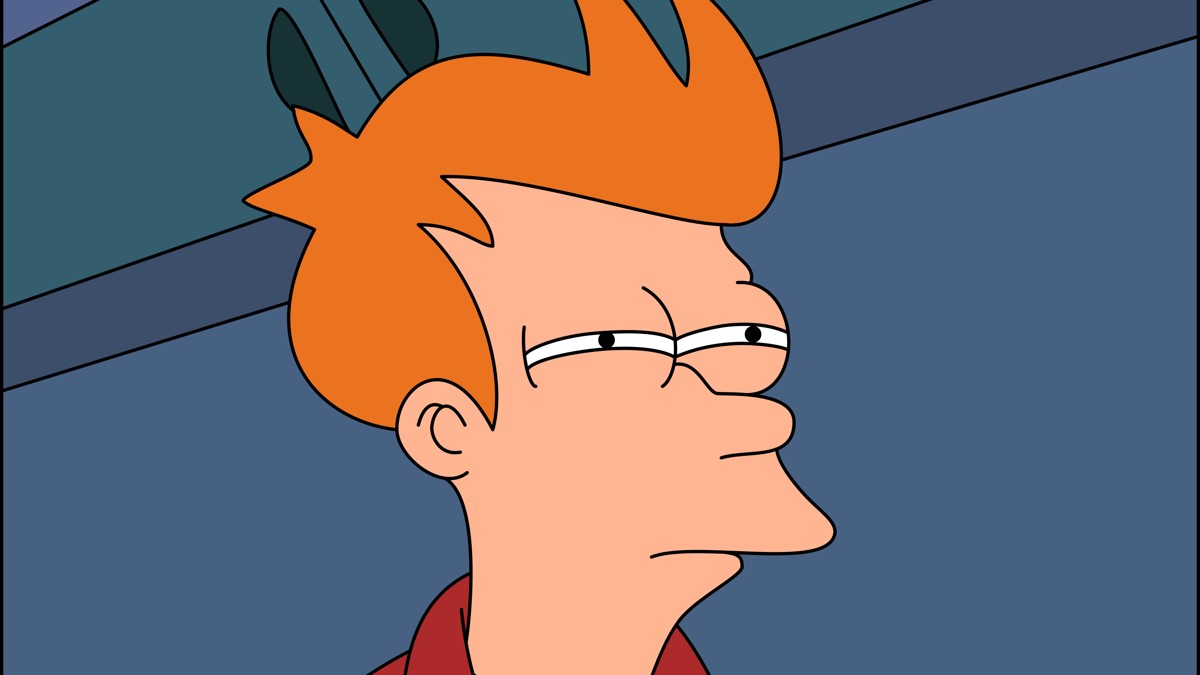
Fry’s suspicious squint gives indecision a face: two competing explanations become the upper and lower halves of a caption.
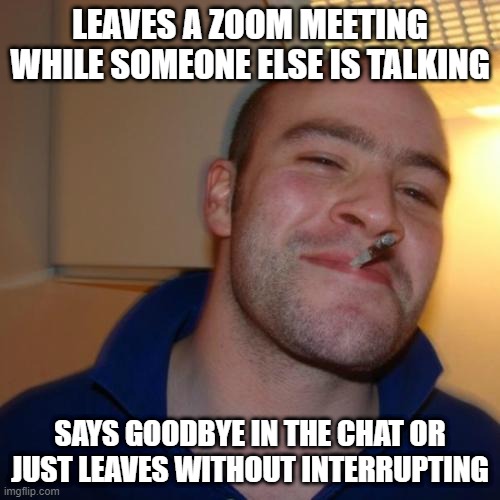
The smiling smoker unexpectedly does the considerate thing.
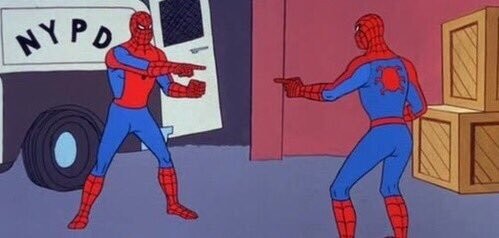
Two matching costumes, two accusing fingers: a cartoon confrontation becomes a compact way to show similarity, mistaken identity or mutual blame.
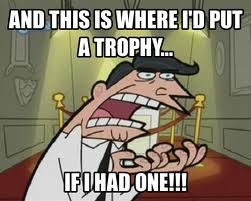
An empty display space becomes a two-step joke: announce where a prized possession would go, then reveal that there is nothing to display.
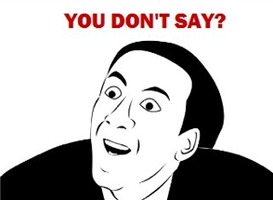
An exaggerated face turns a seemingly surprised response into sarcasm: the discovery was obvious all along.
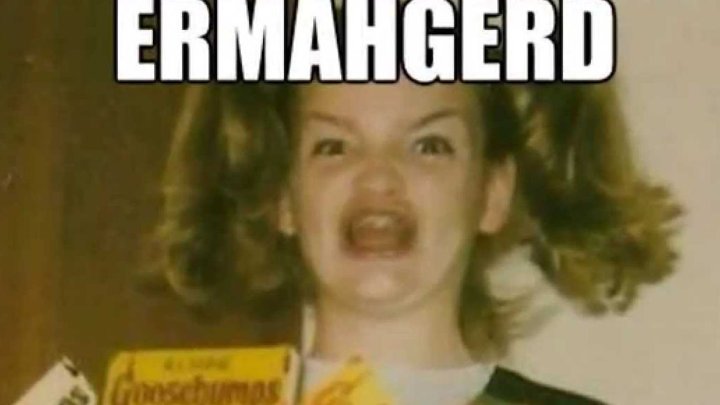
A photograph of a young reader clutching Goosebumps books became an exaggerated expression of excitement. Deliberately distorted spelling carries the joke beyond the original picture.
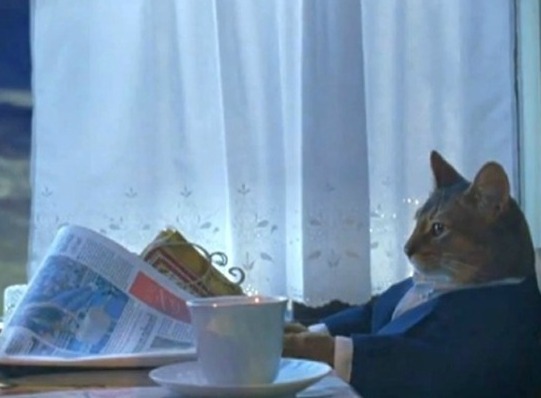
A newspaper-reading cat becomes a miniature portrait of sudden ambition: a serious-looking reader decides that buying something is the answer.
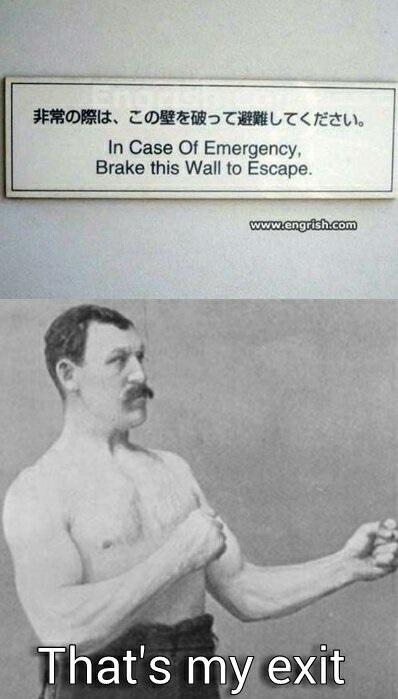
An antique boxer delivers exaggerated feats of toughness.
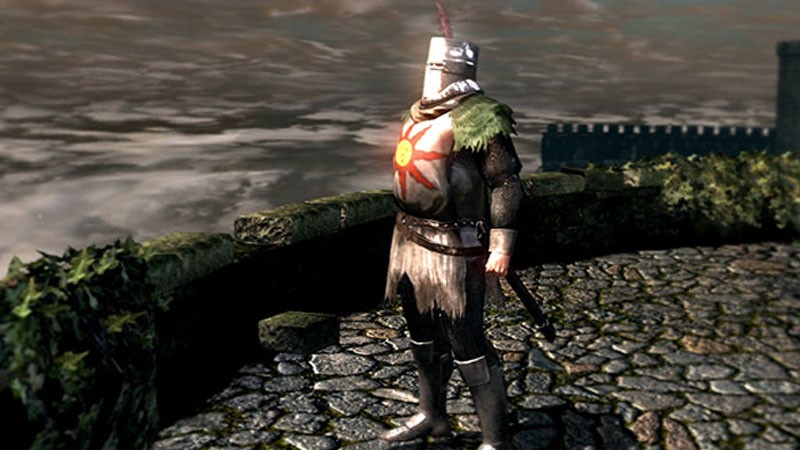
A sun-seeking knight and his cheerful language of cooperation become a reusable gaming-community greeting and fan-art motif.
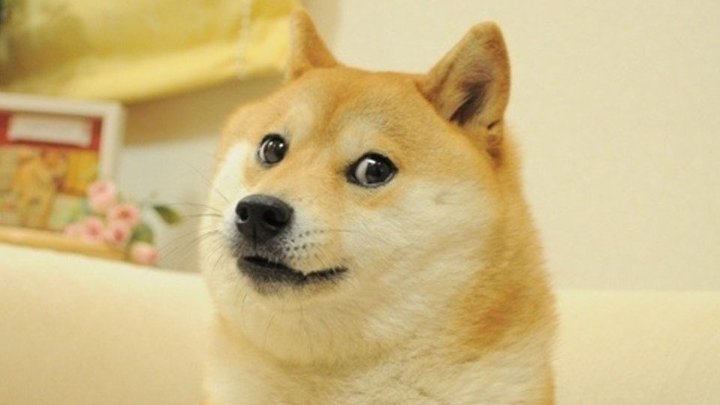
A Shiba Inu’s sideways glance becomes a field of colorful, fragmentary thoughts. Comic Sans and intentionally unusual grammar make the caption style as recognizable as the dog.
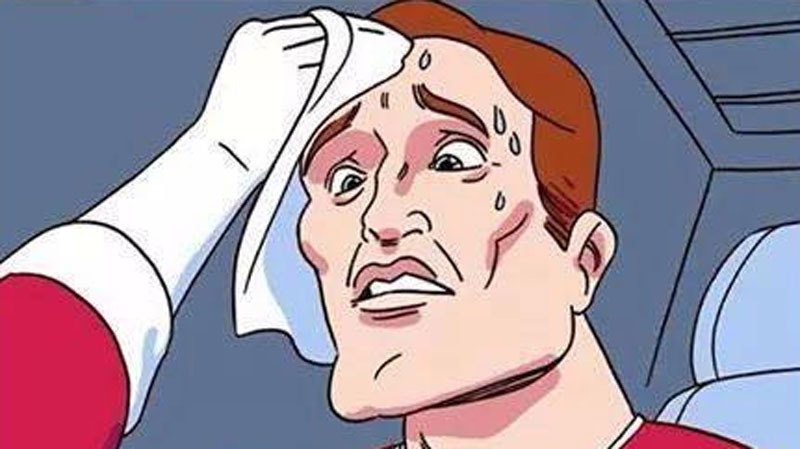
Two incompatible button labels and a sweating decision-maker turn an abstract dilemma into a tiny control-room drama.
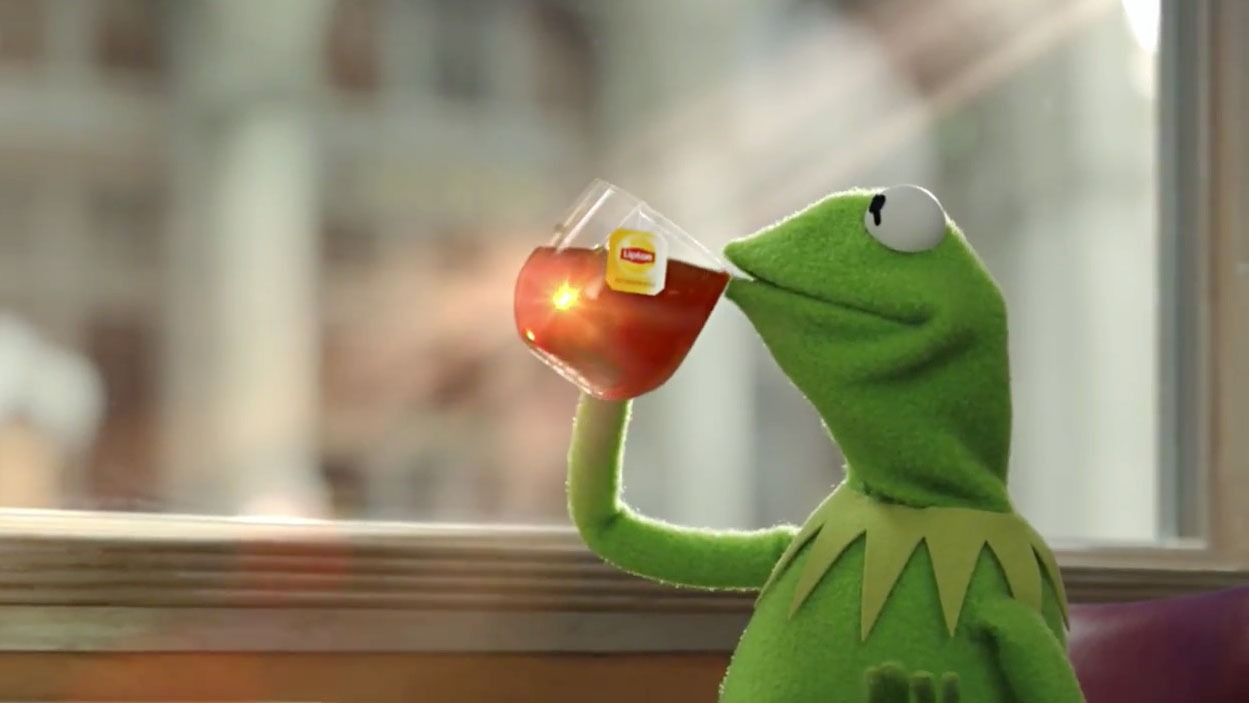
A sip of tea supplies the punchline: make a pointed observation, then pretend to step away with “but that’s none of my business.”
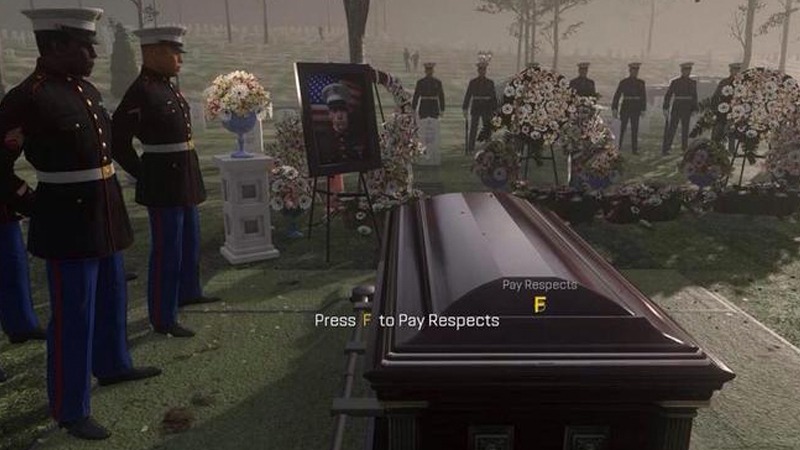
A literal keyboard instruction at a fictional funeral becomes a compact online response to loss, failure or an unfortunate moment.
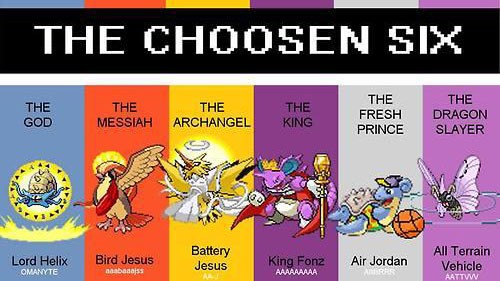
Thousands of chat commands try to steer one Pokémon adventure, turning coordination failures and ordinary game objects into shared folklore.
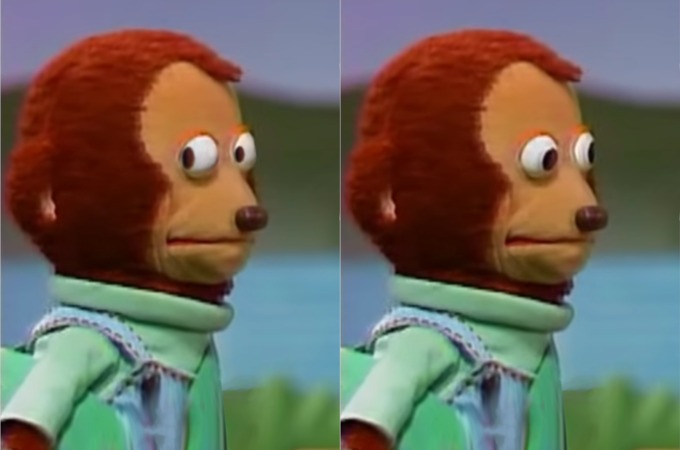
A puppet glances sideways and then away, turning a tiny eye movement into an awkward reaction.
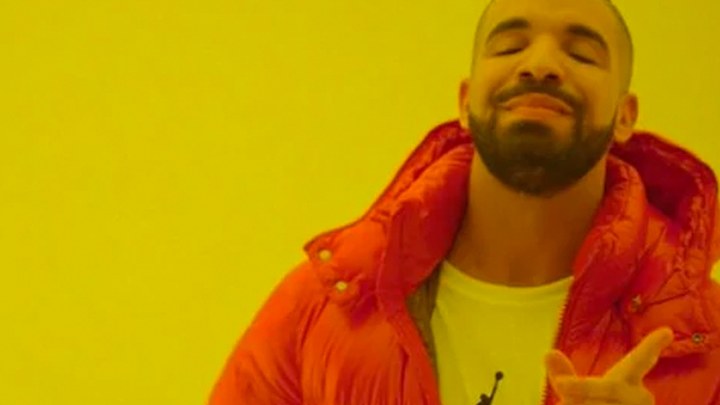
Drake's rejecting and approving gestures become a two-choice visual ballot.
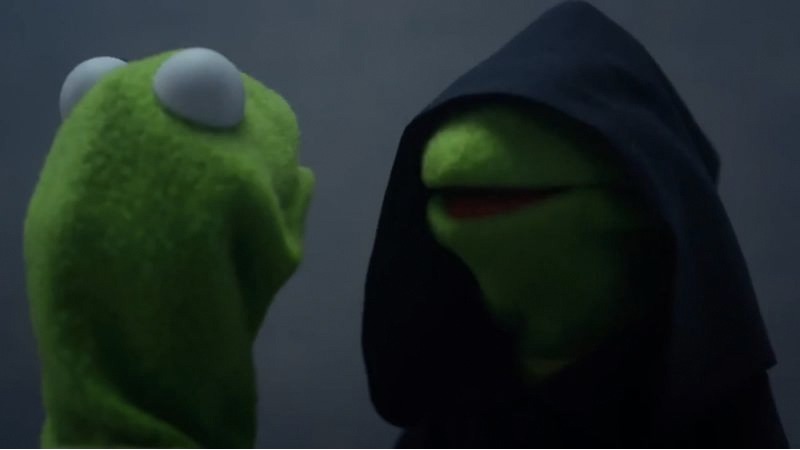
A frog facing his hooded double becomes a two-voice debate between restraint and the tempting bad idea.
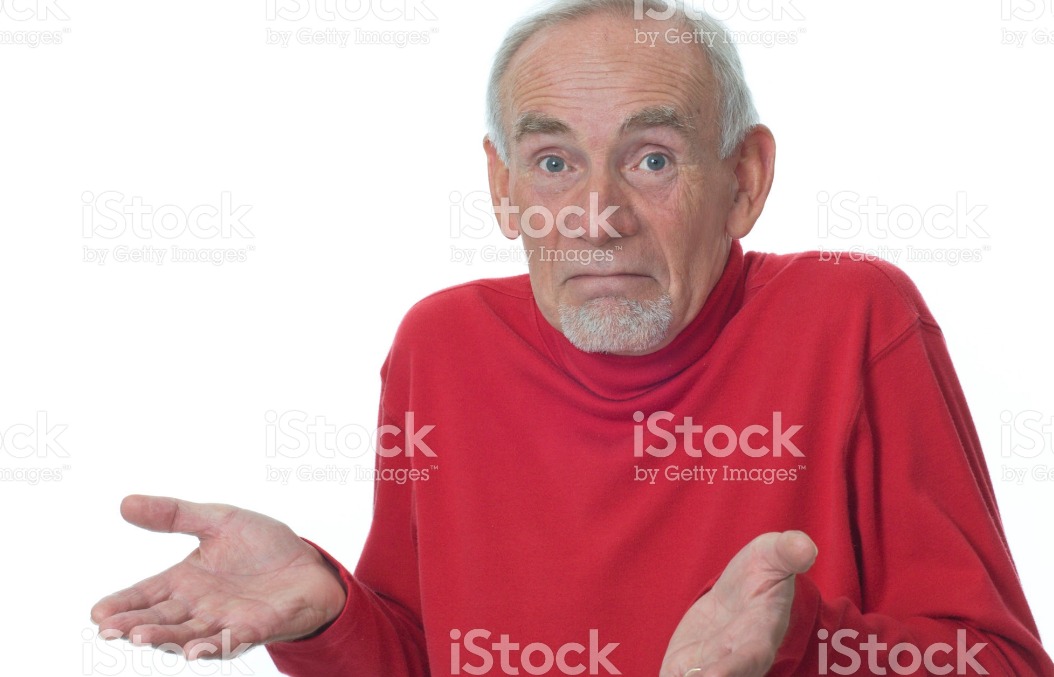
A red-shirted man shrugs, pairing exaggerated resignation with problems that range from everyday annoyances to unaffordable healthcare.
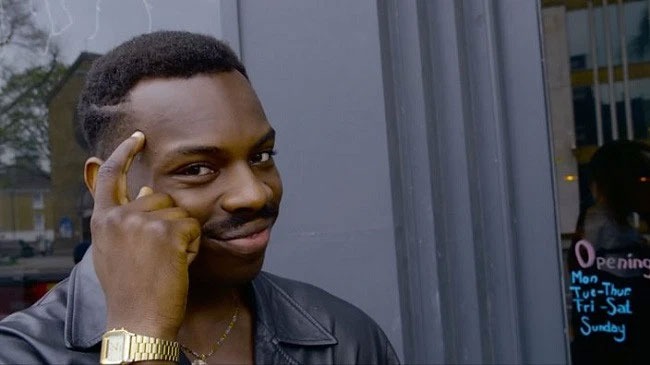
A finger to the temple signals a supposedly clever solution whose logic collapses on inspection.
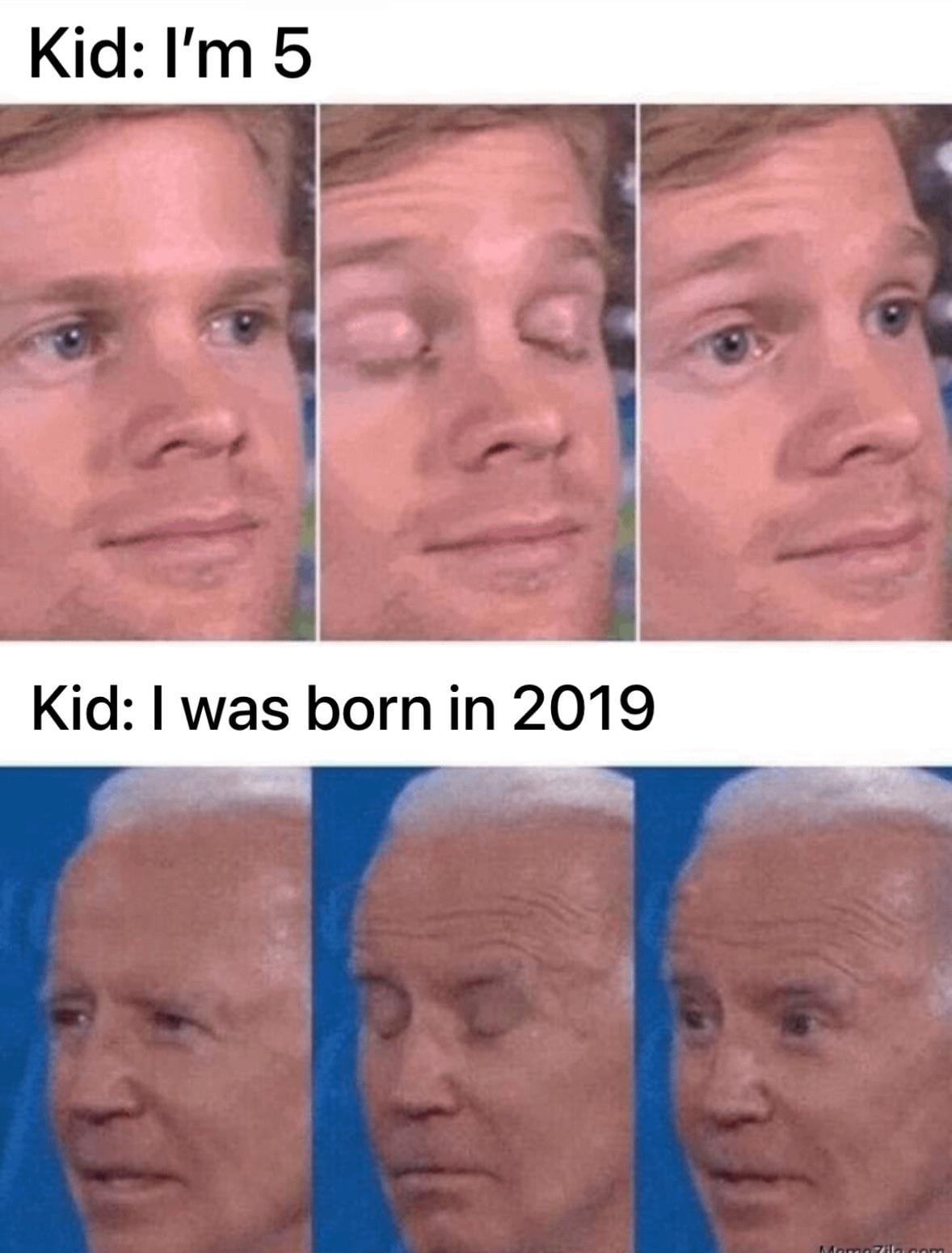
Drew Scanlon’s double take conveys bafflement and disbelief.
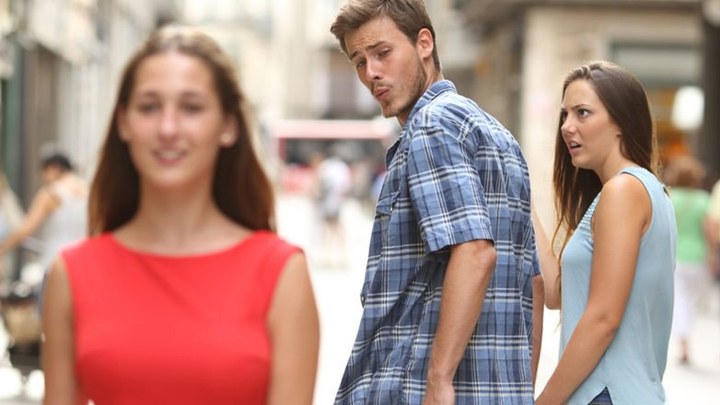
Three labels turn a wandering glance into a diagram of temptation, neglected commitments and competing choices.
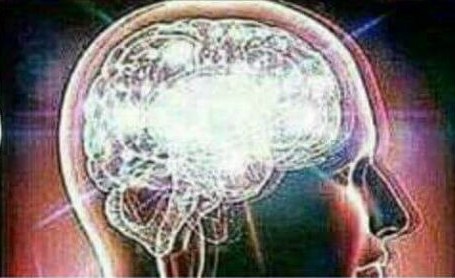
Increasingly radiant brains accompany an escalating ladder of ideas, often making the supposedly smartest option the silliest.
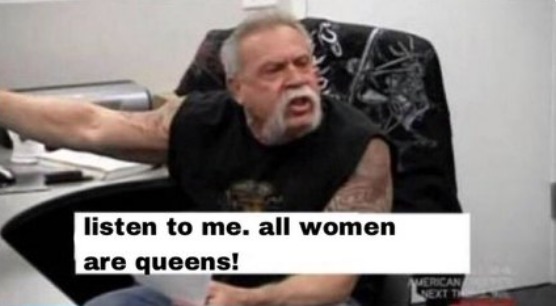
An escalating father-and-son argument becomes a multi-panel debate whose captions can give both sides surprisingly detailed positions.
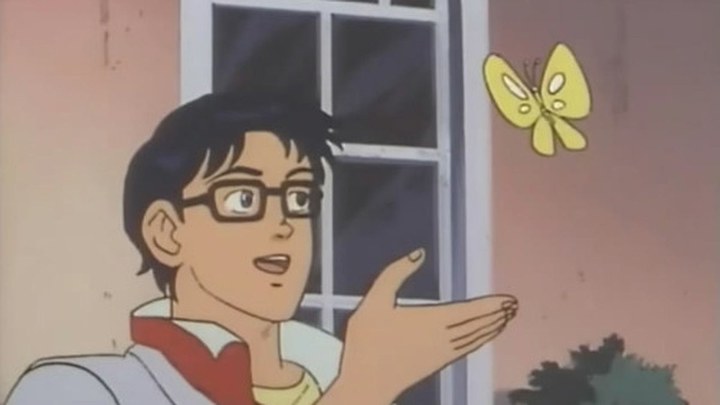
A character points at a butterfly and asks whether it is a pigeon, creating a template for confident misidentification.
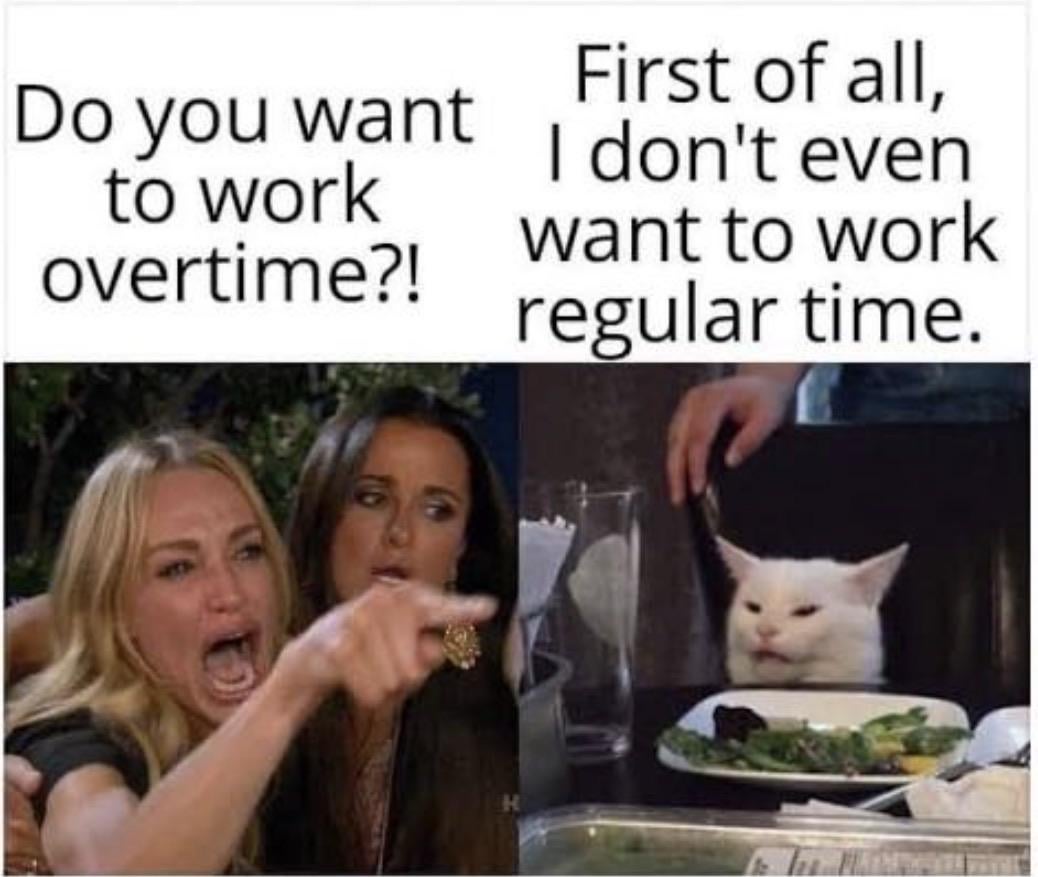
A reality-TV argument is paired with Smudge the cat’s dinner-table stare.
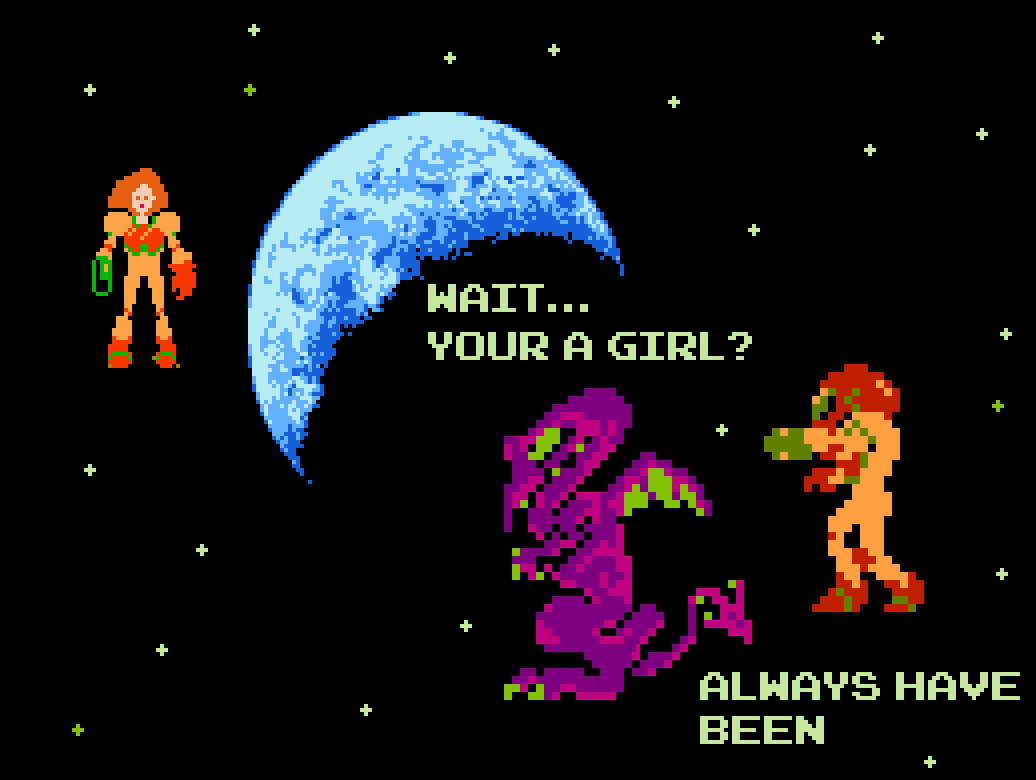
An astronaut discovers what the whole world really consists of.
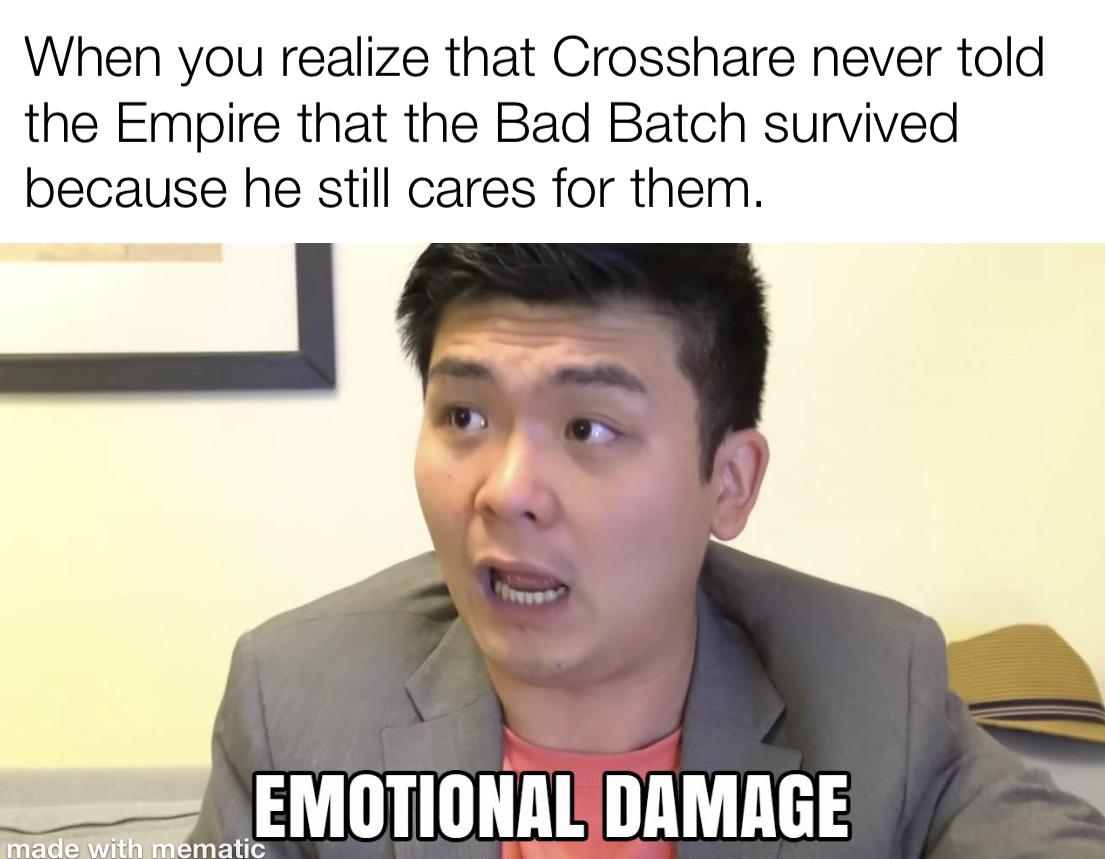
Steven He’s exclamation becomes the punctuation for a painful roast.
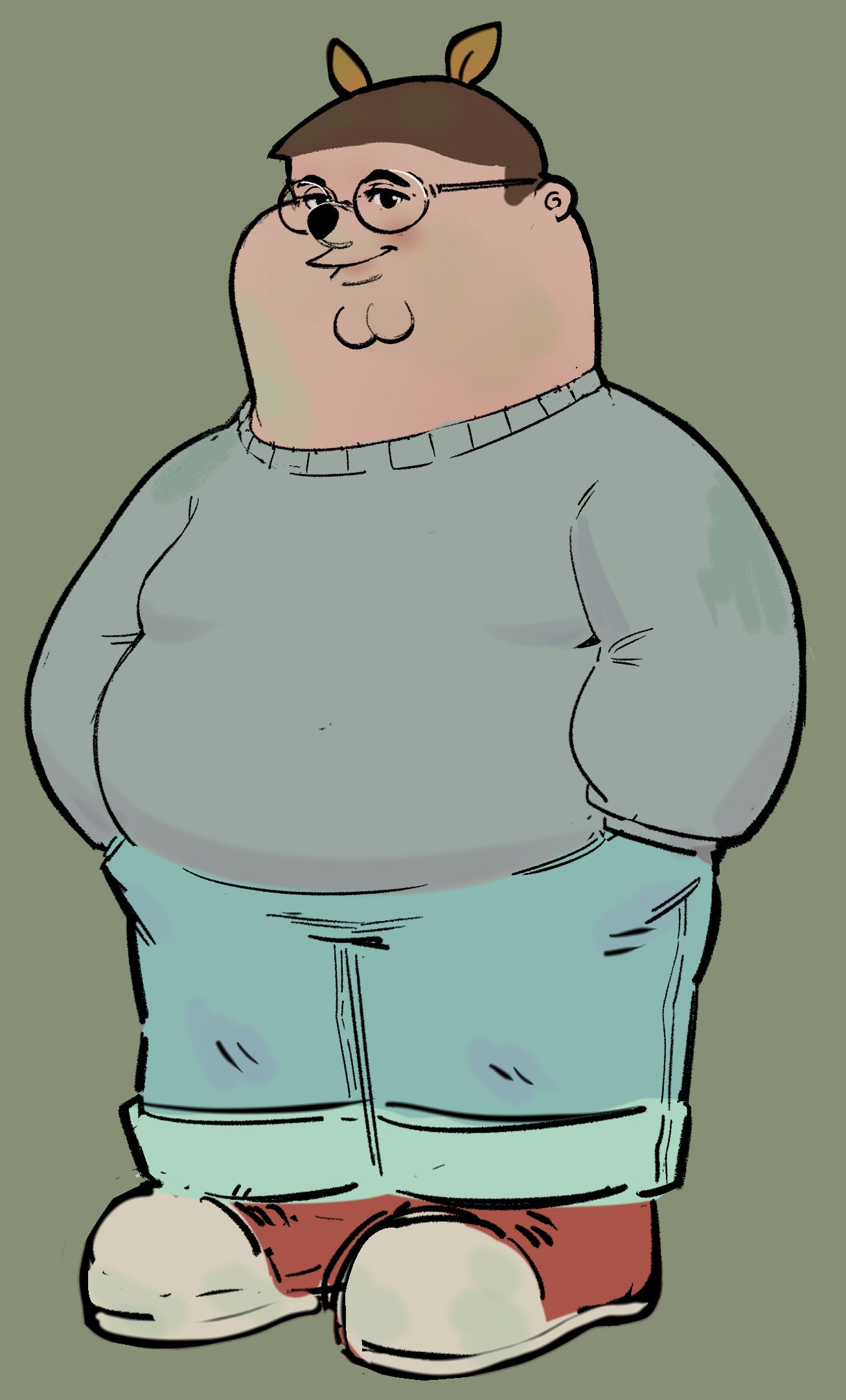
A hands-in-pockets cartoon dog remains unbothered.
Allow Google Analytics to help us improve the archive?
Uses cookies to measure visits and activity. Privacy details